
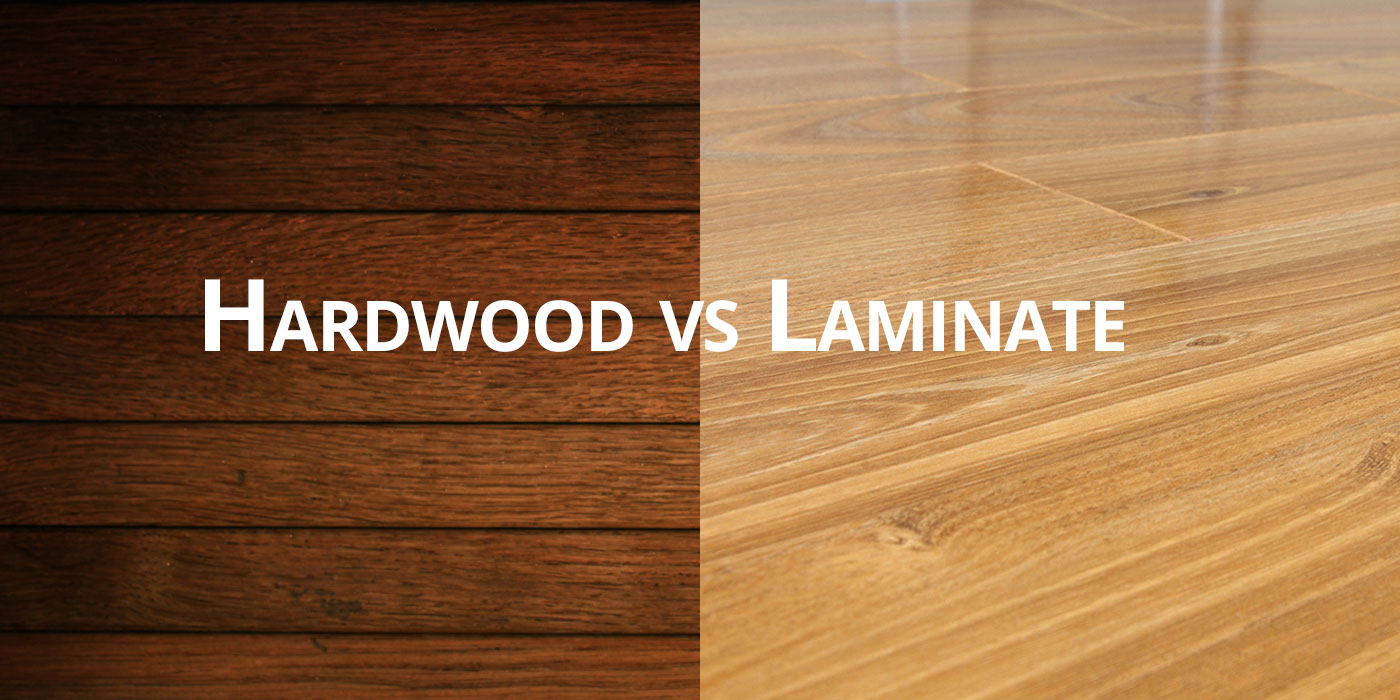
In large-scale commercial and residential developments, the choice between laminate and hardwood flooring is less about “better or worse” and more about project intent, performance requirements, and lifecycle value. For architects and specifiers, both materials offer distinct advantages that align with different design and operational priorities.
Design Versatility & Aesthetic Intent
Hardwood flooring continues to be valued for its natural grain, warmth, and timeless appeal, making it a preferred choice in premium environments such as luxury hospitality, corporate headquarters, and high-end residences. It aligns well with projects that prioritize authenticity and long-term design continuity.
Laminate flooring, on the other hand, has evolved significantly with advanced surface technologies and realistic finishes. It offers architects the flexibility to achieve a wide range of looks—wood, stone, or contemporary textures—while maintaining consistency across large areas, which is often critical in commercial developments.
Performance in High-Scale Environments
For large-scale projects such as malls, office campuses, and retail chains, performance under high footfall is a key consideration. Laminate flooring is often specified for its uniformity, ease of installation, and reliable wear performance across expansive spaces.
Hardwood flooring is typically selected where design longevity and material character are central to the project vision. With proper planning and maintenance strategies, it continues to perform effectively in controlled environments.
Installation & Project Timelines
Project timelines play a crucial role in material selection. Laminate flooring is widely appreciated for its efficient installation systems, which support faster project completion—an advantage in time-sensitive developments.
Hardwood flooring, with its crafted installation process, is often integrated into projects where timelines allow for detailed execution and finishing, contributing to its premium positioning.
Lifecycle Value & Specification Strategy
Specifiers increasingly evaluate flooring through a lifecycle lens—balancing upfront costs, maintenance, and durability. Laminate is often chosen for projects requiring cost efficiency at scale, while hardwood is specified for projects emphasizing long-term value and design legacy.
Ultimately, architects and specifiers are not choosing between laminate and hardwood—they are selecting the right material for the right context. Both continue to play a vital role in shaping modern built environments.
Be part of the future of flooring at GFLOOR.
Showcase your laminate and hardwood innovations to a focused B2B audience—exhibit at GFLOOR and connect with key industry decision-makers.